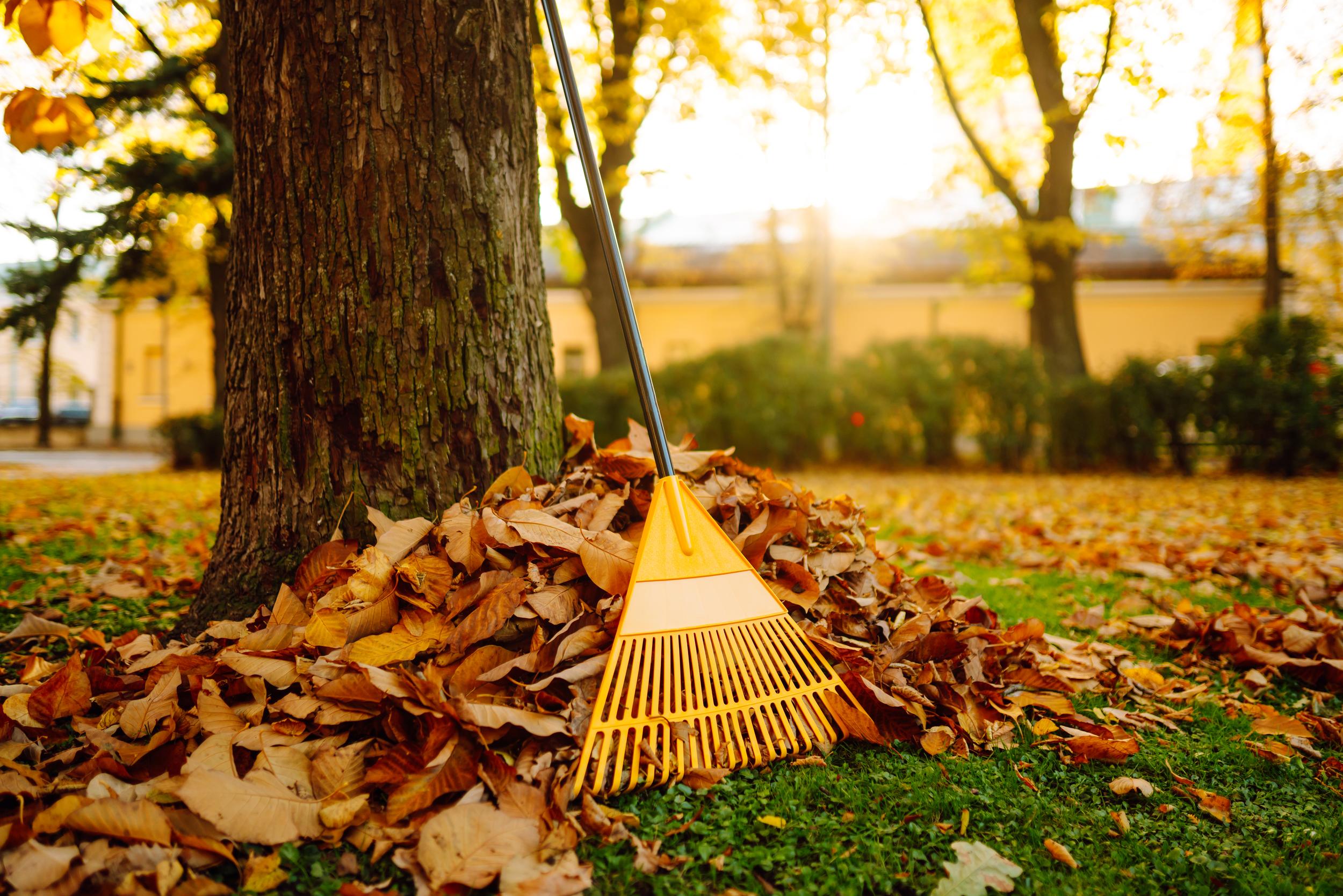
As autumn blankets your lawn the inevitable task of dealing with fallen leaves arises.
Homeowners often wonder whether they should mulch these leaves into their lawn or haul them away entirely. Understanding the benefits and potential drawbacks of each option can help you make an informed decision that supports your lawn's health while keeping your property looking its best.
In this blog post, we'll explore the advantages of mulching leaves and removing them from your property. By assessing the impact of both methods, you'll gain valuable insights into when it’s most beneficial to mulch or haul off leaves from your yard. Let’s dive into the details and find out how to properly manage this seasonal chore while promoting a thriving, healthy environment for your grass and plants.
Understanding the benefits of mulching leaves for your lawn's health
Mulching leaves can significantly enhance your lawn's health by enriching the soil with essential nutrients. When you shred and distribute leaves over your lawn, they decompose over time, releasing nitrogen and other beneficial elements back into the soil. This natural process not only improves soil structure but also fosters a healthy microbial environment that encourages robust grass growth. Additionally, mulching provides a protective layer that helps retain soil moisture and temperature, reducing the need for excessive watering.
Beyond the nutritional advantages, mulching leaves also supports the ecosystem of your yard. By keeping leaves on your property, you promote biodiversity, providing habitat and food for various beneficial insects and microorganisms. This approach aligns with sustainable gardening practices, helping to minimize waste and reduce your carbon footprint. By choosing to mulch rather than remove leaves, you create a vibrant and thriving habitat that benefits both your lawn and the environment.
Evaluating the advantages of hauling leaves off your property
Hauling leaves off your property can be a beneficial choice for several reasons. First and foremost, removing leaves helps maintain a tidy appearance for your lawn and garden. A clear landscape enhances your home's curb appeal, contributing to a more inviting and well-kept environment. Additionally, by collecting fallen leaves, you reduce the risk of harboring pests and diseases that can thrive in a decaying leaf layer. This proactive approach can save you from potential headaches down the line, especially when it comes to lawn and plant health.
Another significant advantage of hauling leaves away is the opportunity to recycle them properly. Many municipalities offer leaf collection services or composting programs designed to convert organic waste into nutrient-rich compost. This not only prevents waste from ending up in landfills but also supports sustainable practices in your community. By choosing to haul leaves off your property, you actively participate in an eco-friendly solution while improving the overall health of your local environment.
Making the right choice: When is the best option to mulch or haul off leaves from my property?
Deciding whether to mulch or haul off leaves depends on various factors, including the type and quantity of leaves, your lawn's health, and your personal preferences. If you have a small number of leaves, mulching can enhance your lawn's nutrients and protect the soil during winter. On the other hand, if your yard is overwhelmed with leaves, mulching might not be sufficient to maintain a healthy lawn. Thick layers of leaves can suffocate the grass underneath, leading to mold growth and potential damage. Assessing the condition of your lawn and the volume of leaves will help you determine the best approach to take.
Additionally, consider the seasonal timing when making your decision. If you're raking up leaves in late fall when the grass is still actively growing, mulching could provide an immediate benefit. However, if you're dealing with stubborn, wet leaves in late winter or early spring, hauling them off may be the better choice to promote new grass growth. Ultimately, your decision should reflect not just the health of your lawn, but also your willingness to invest time and effort into maintaining your outdoor space. Understanding these aspects will guide you toward the best option for your property.